What Matters Most in a Student Laptop
Not every student needs a powerful laptop. For courses built around web browsing, Office applications, video calls, and research, a decent modern processor may be enough. Students studying engineering, computer science, data science, or creative subjects should look for stronger hardware.
As a general guide:
- Decent performance is suitable for documents, research, and collaboration tools.
- Mid-range performance is enough for most students.
- Stronger processors are safer for STEM courses and heavier multitasking.
- Dedicated graphics may be necessary for CAD, 3D applications, video editing, local AI tools, or modern games.
Buying too little performance can restrict what you are able to explore later in your course. Buying far more than you need, however, can waste a significant amount of money.
2. At Least 16GB of Memory
We recommend 16GB of memory for most students. It provides enough room for browser tabs, Office applications, collaboration software, and background tasks without making the laptop feel immediately limited.
Students working with large programming projects, virtual machines, video editing, engineering software, or local AI models may benefit from more. Upgradeable memory is especially useful because it lets you start with a cheaper configuration and add capacity later.
3. A Display That Matches the Laptop’s Size
Some inexpensive 16-inch laptops use a resolution of only 1920 x 1200. Text can look less crisp at that size, and the extra screen area may not show substantially more content than a sharper 14-inch panel.
For a 16-inch productivity laptop, we prefer a resolution around 2560 x 1600. Lower resolutions can still make sense for gaming because they are easier for a mid-range GPU to run.
Students who want more workspace in their dorm room may be better served by a more portable laptop and an external monitor.
4. Portability and Battery Life
Students regularly move between classrooms, libraries, cafés, and home. A large gaming laptop may provide excellent performance, but its weight and charger can become tiring to carry. Thin laptops are easier to transport, though they may sacrifice cooling, upgradeability, or graphics performance.
Battery life matters too, especially when outlets are difficult to find. Consider how often you will work away from a desk before choosing a heavier performance laptop.
5. Software Compatibility
MacBooks are excellent student laptops, but some engineering and specialist Windows applications may not support macOS. Qualcomm-powered Windows laptops can provide excellent battery life and efficiency, but certain applications, games, docks, and accessories may not work correctly.
Intel- and AMD-powered Windows laptops generally provide the broadest compatibility. An Intel processor paired with Nvidia graphics is the safest combination for students who need demanding specialist applications and also want to game. Always check the applications required by your courses before buying.
Our Top 10 Recommended Student Laptops
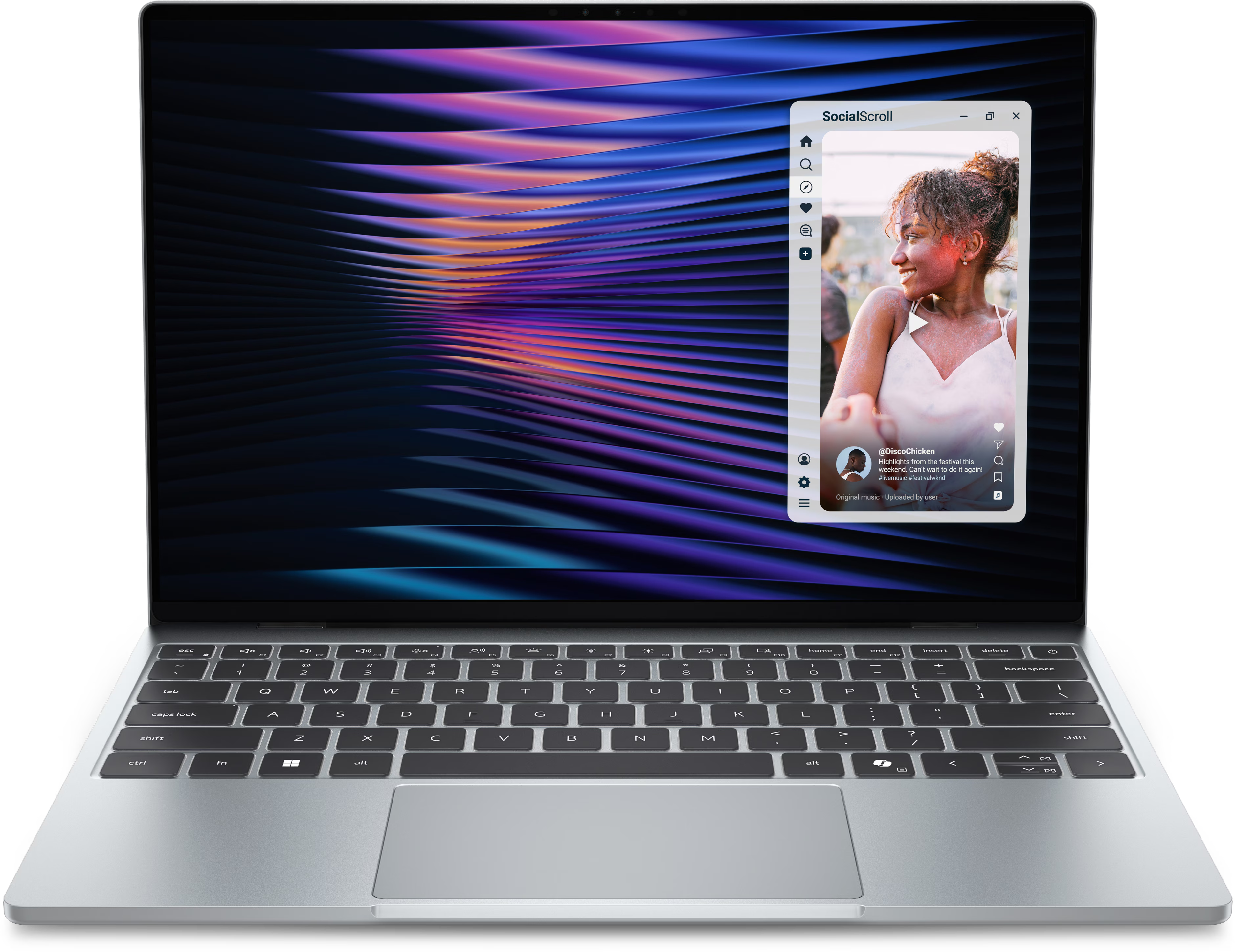
#10 Dell XPS 13: Best for Non-Technical Courses on a Tighter Budget

XPS 13 is an unusually premium laptop for its price. A strong fit for the student who doesn't need to run heavy applications or play games.
Best for: Humanities, social sciences, and other students whose work mainly involves research, writing, presentations, and video calls.
Why we like it: At around $800 with a student discount, the XPS 13 feels more premium than most affordable laptops. It is compact and light, with a bright, high-resolution touchscreen, fast refresh rate, and effective anti-reflective coating.
Drawbacks: Its processor is only suitable for light workloads, and the low-travel keyboard is not especially comfortable. Students expecting to use engineering software, edit videos, or explore other demanding work should choose something more powerful.
▶️Watch our related review
📊 See full test results, pricing history, and current deals
Pros
- Competitive price for what you get.
- Looks more like and has the build quality of a higher end laptop than a budget one, despite being thin and lightweight.
- Great screen for the price. It is high resolution, 120 hz, around 500 nits (bright for a laptop at this price point), and has very good color gamut of sRGB (almost 100% coverage) and DCI-P3 (also almost 100% coverage).
- Has pretty effective keyboard backlighting.
- Windows Hello via an IR Camera is standard.
- Has an option for 16 GB of RAM at the time of purchase.
Cons
- Low travel keyboard (0.8 mm)
- Ports are very lacking for connecting external devices; only 2 USB C (5 Gbps) ports, and no Thunderbolt 4 or USB4.
- Bad speakers and no 3.5 headphone jack.
- Intel Wildcat Lake (Core Series 3) CPU is only suitable for light/casual use.
- Only supports shorter M.2 2230 SSDs, making storage upgrades and replacements more expensive and limited to 2 TB.
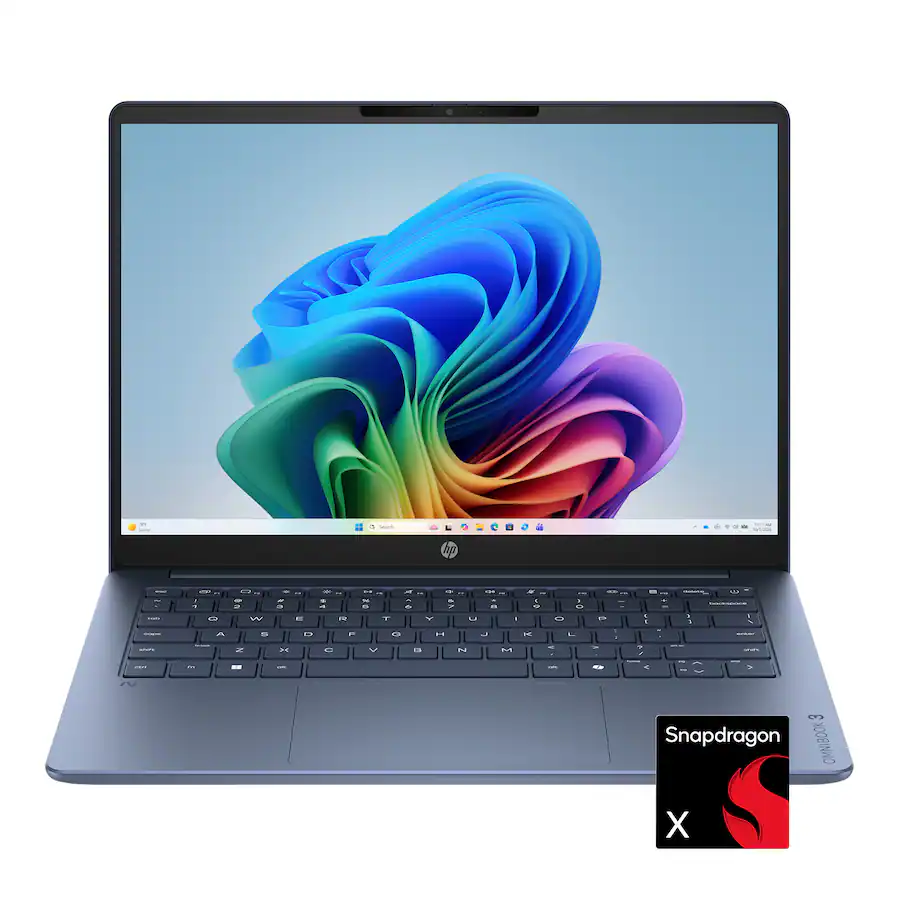
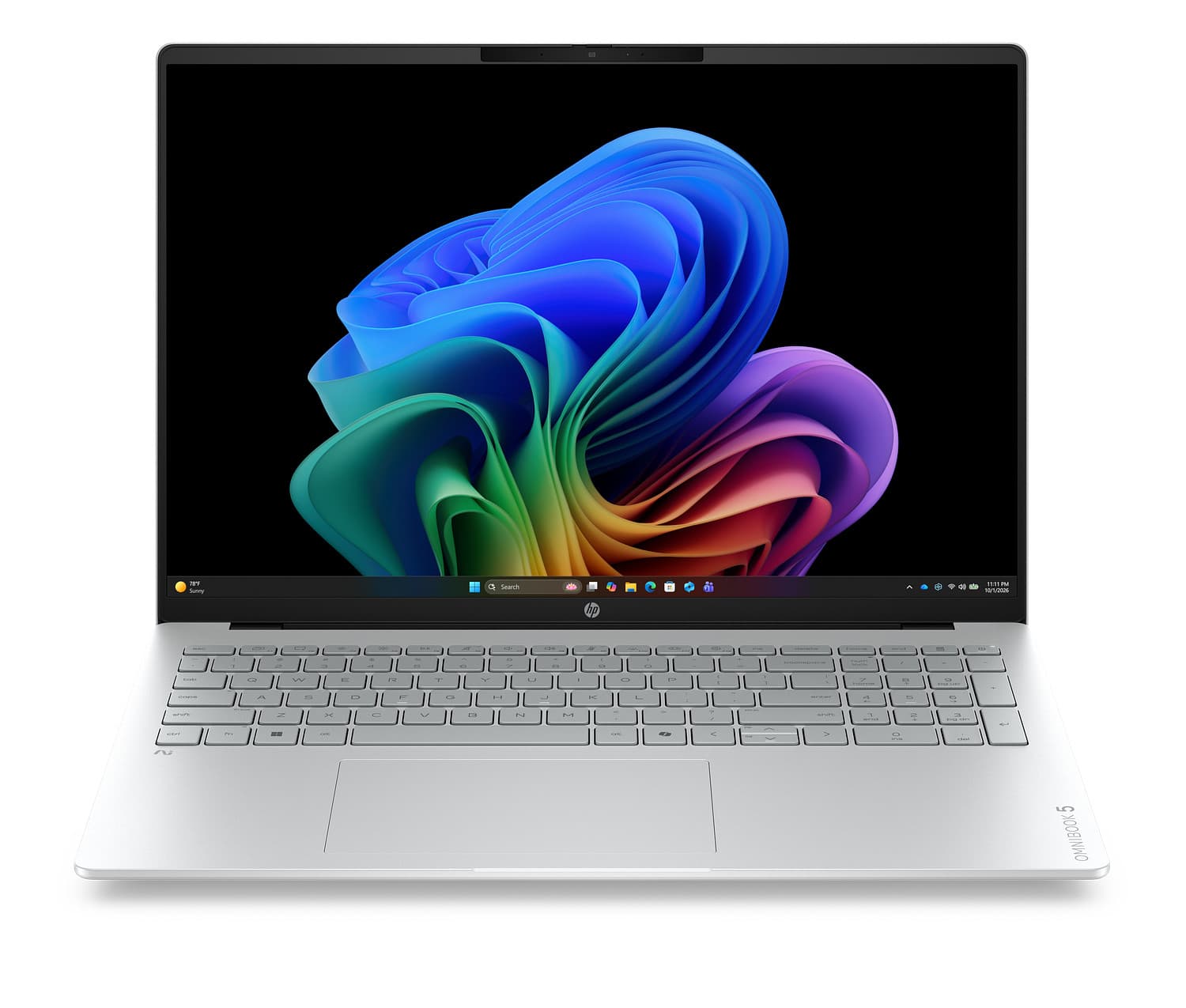
#9 HP OmniBook: Best Value Range for Students

The OmniBook is The Best Value Range for Students
Best for: Students who want the most hardware for their money and are willing to compare configurations carefully.
Why we like it: HP offers an OmniBook for almost every budget. The OmniBook 3 and 5 are affordable basics, the 7 and X feel more modern, and the Ultra models add stronger processors and premium features such as haptic trackpads.
We would target around $600 or less for an OmniBook 3 or 5, up to $900 for an OmniBook 7 or X, and no more than roughly $1,400 for an OmniBook Ultra.
Drawbacks: Specifications vary considerably between models, and some inexpensive configurations use restrictive processors or poor displays. Check the exact configuration carefully, and avoid 16-inch models with a 1920 x 1200 panel unless the price is exceptionally low.
▶️Watch our related review
📊See full test results, pricing history, and current deals
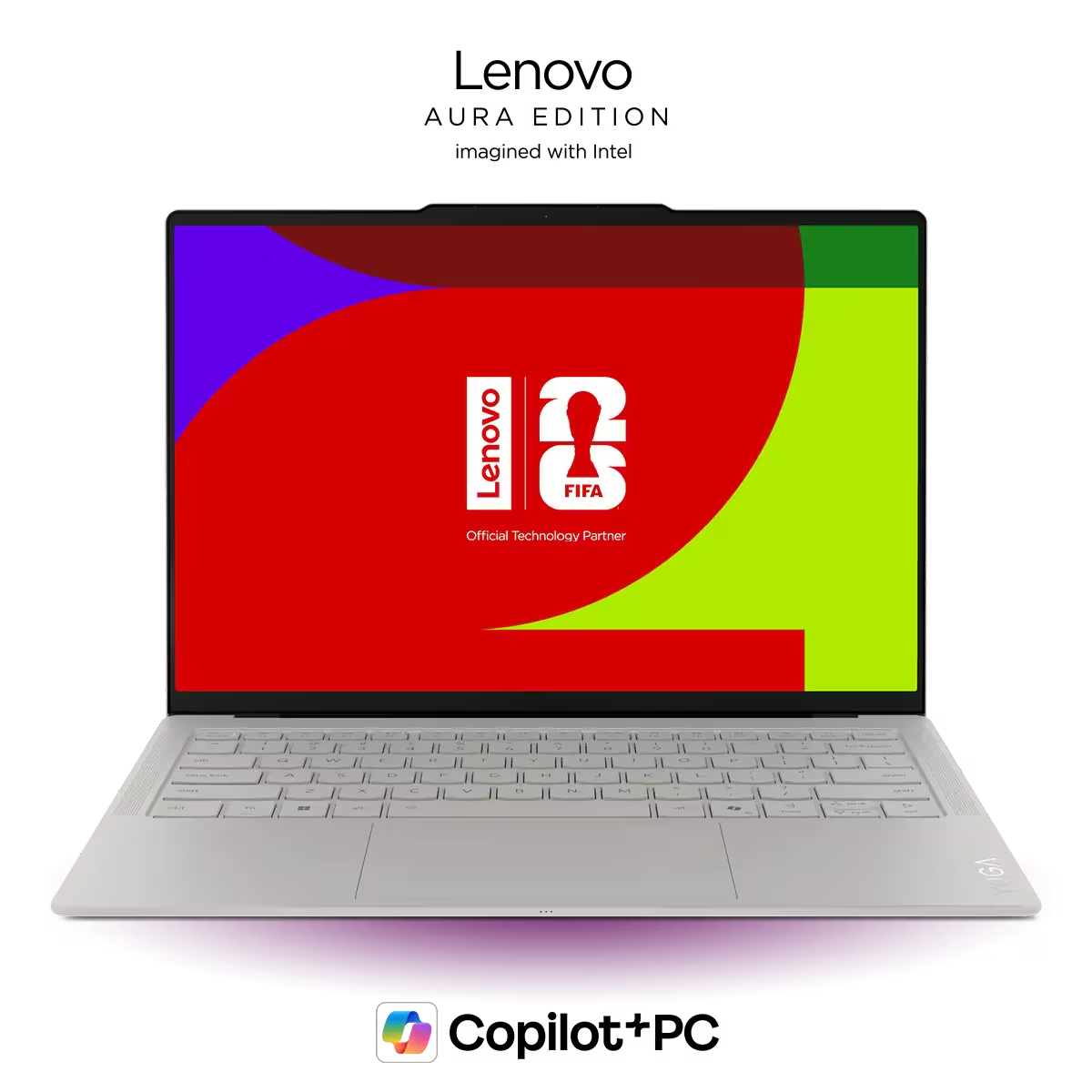
#8 Lenovo Yoga 7: Best Mid-Range Premium Windows Laptop

The Best Mid-Range Premium Windows Laptop
Best for: Students who want a better-built Windows laptop with a comfortable keyboard and enough performance for most courses.
Why we like it: Yoga 7 models feel more rigid and premium than many similarly priced laptops. “Slim” models are conventional clamshells, while standard Yoga models generally convert into tablets.
Intel and AMD versions provide broad compatibility. Intel’s Core Ultra Series 3 configurations are currently our preferred choice, and can be worth an additional $100 to $200 over a comparable AMD model.
Drawbacks: The Qualcomm-powered Yoga Slim 7x has compatibility limitations, so some specialist applications, games, docks, and accessories may not work correctly. Certain Yoga models also omit the headphone jack. Students relying on specialist software should confirm compatibility before buying.
▶️Watch our related Yoga review
📊See full test results, pricing history, and current deals
Pros
- Extremely light for a 14-inch laptop.
- Accurate and responsive trackpad with good palm rejection.
- Beautiful, high resolution OLED display with 120Hz refresh rate and over 500 nits in brightness.
- Very long battery life
Cons
- Only three Thunderbolt 4 / USB-C ports; one will be used for charging
- Thunderbolt 4, not Thunderbolt 5
- No 3.5 mm headphone jack
- White keyboard backlight on a white keyboard (with the Seashell color option) makes it harder to see the keys.
Pros
- Excellent battery life
- Extremely lightweight and portable
- Fantastic keyboard with deep key travel
- Beautiful high-resolution OLED display
- Premium soft-touch chassis feels luxurious
- Very quiet during light workloads
- Strong performance on higher-end X chip models
- Excellent value compared to competing premium Ultrabooks
Cons
- No USB-A or HDMI ports
- No 3.5 mm headphone/audio jack
- Glossy display can cause reflections outdoors
- White keyboard backlight can be difficult to see on lighter models
- Limited upgradeability and difficult internal access
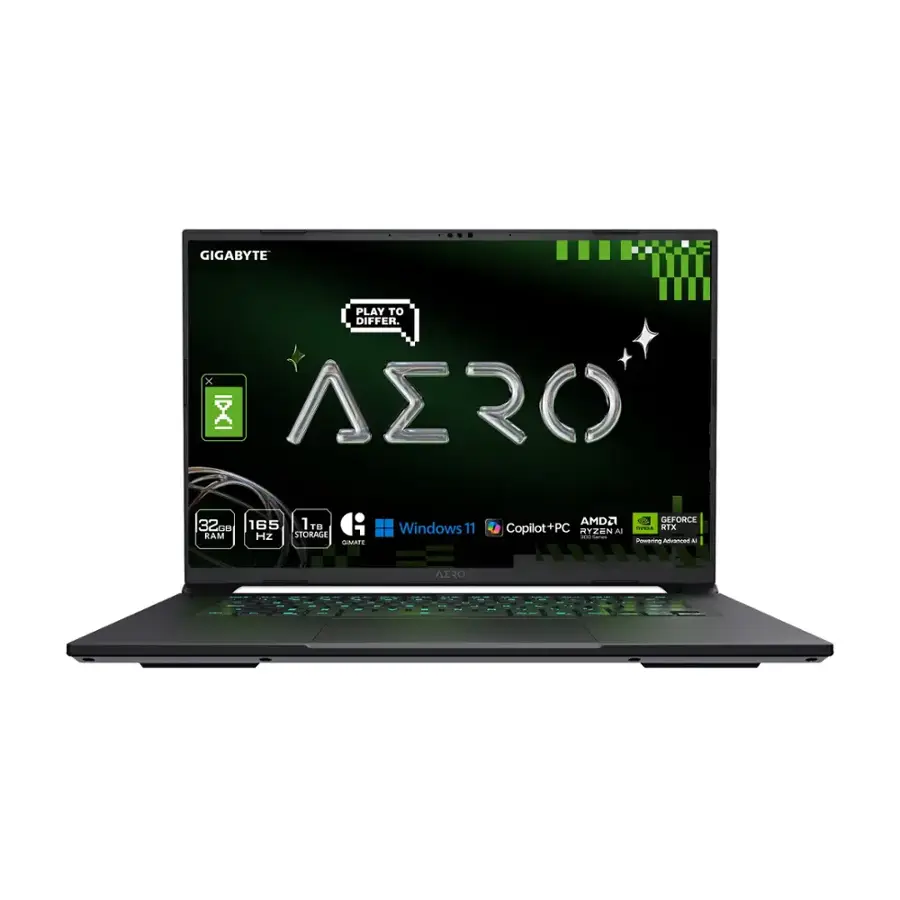
#7 Gigabyte Aero X16: Best Affordable Thin Laptop With Dedicated Graphics

Best Affordable Thin Laptop With Dedicated Graphics That Fits A Student's Daily Life
Best for: Engineering students, casual creators, and gamers who need dedicated graphics in a relatively portable 16-inch laptop.
Why we like it: At around $1,200 on sale, the Aero X16 can include a Ryzen 7 processor and RTX 5060 or RTX 5070 graphics. Its 2560 x 1600 matte display is sharp, fast, and practical in bright environments.
Drawbacks: The GPU receives less power than it would in a larger gaming laptop, while the keyboard deck has some flex and the display is not accurate enough for professional colour work. Serious creators and performance-focused gamers should consider a more powerful alternative.
▶️Watch our full Aero X16 review
📊See full test results, pricing history, and current deals
Pros
- Exceptional value for money
- Strong battery life for a laptop with a dedicated GPU
- Matt screen makes it excellent for using in bright environments
- Trackpad is great
- Plenty of performance for most users
- Its quite light for a laptop like this
- Upgradeable memory
- Very little fan noise and remains cool to the touch
Cons
- Display's colors aren't entirely accurate
- Port placement is right down the front. Left handers will struggle with this
- Other laptops this size are more powerful
- Speakers lack volume
- Keyboard feels mushy
Pros
- Exceptional value for money
- Strong battery life for a laptop with a dedicated GPU
- Matt screen makes it excellent for using in bright environments
- Trackpad is great
- Plenty of performance for most users
- Its quite light for a laptop like this
- Upgradeable memory
- Very little fan noise and remains cool to the touch
Cons
- Display's colors aren't entirely accurate
- Port placement is right down the front. Left handers will struggle with this
- Other laptops this size are more powerful
- Speakers lack volume
- Keyboard feels mushy
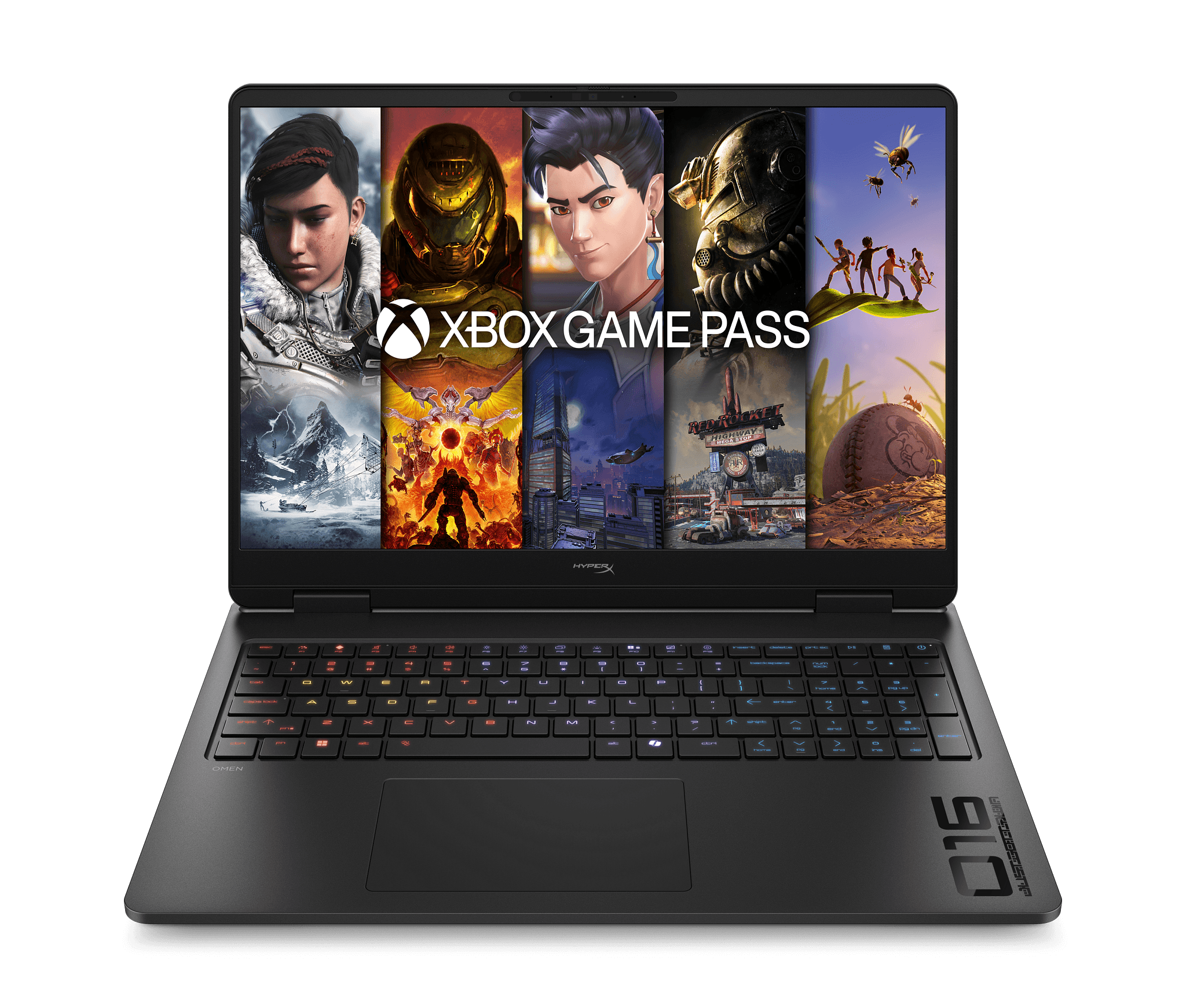
#6 HP Omen 16: Best Affordable Full-Power Gaming Laptop

Best Affordable Full-Power Gaming Laptop For Student Life
Best for: Students who need substantial performance for engineering software, video editing, 3D work, or modern games.
Why we like it: The Omen 16 can combine an HX-class processor, a full-powered Nvidia GPU, and upgradeable memory at aggressive sale prices. We have seen RTX 5060 models around $1,100 and OLED HyperX configurations around $1,400.
Drawbacks: The standard Omen 16 is large and heavy, making it less convenient to carry around campus. Some configurations also use a low-resolution 1920 x 1200 display. The Omen Slim is easier to transport, but its GPU receives less power.
▶️Watch our related Omen review
📊See full test results, pricing history, and current deals
Pros
- The Intel Panther Lake H model supports Windows Hello Facial Recognition
- Solid value when the RTX 5070 12 GB model is on sale.
- The SSD, Wi-Fi card, and both SO-DIMM slots of RAM are upgradable.
- Modern Intel Panther Lake H CPU.
- 2560 x 1600 165 hz OLED screen
Cons
- The AMD HX model does not have Windows Hello Facial Recognition or a fingerprint sensor.
- No Thunderbolt or USB4 ports.

If you are on the lookout for the best portable 16-Inch performance laptop, then Legion 7 is maybe the one for you.
Best for: Computer science, engineering, and gaming students who want high performance without carrying the heaviest gaming laptop.
Why we like it: The redesigned Legion 7 is more compact than previous versions and significantly lighter than the Omen 16. It combines strong performance with a bright display, comfortable keyboard, and premium build.
Drawbacks: It remains noticeably heavier than a conventional thin-and-light laptop, and higher-end configurations can become expensive. It is also more performance than students with basic computing needs are likely to use. The Legion 5i is a cheaper alternative when discounted. It is thicker and heavier, but still offers full gaming-laptop performance.
▶️Watch our related Legion review
📊See full test results, pricing history, and current deals
Pros
- Stylish and well built
- Lightweight and compact
- Excellent screen (bright, color accurate, fast refresh rate)
- Very comfortable keyboard
- Very good speakers
- Decent port selection
Cons
- AMD CPU is less powerful than Intel HX in the Legion 7i
- Trackpad feels a little cheap
- Expensive given its midrange components, and maxes out at an RTX 5070 12 GB.
- Memory is soldered and is limited to 32 GB on all configs.
#4 MacBook Air 13: Best Lightweight Laptop for Most Students

Best Lightweight Laptop for Most Students. If you truly want a lightweight laptop, then this may be the laptop for you.
Best for: Students who want a dependable, portable laptop for writing, research, programming, presentations, and everyday productivity.
Why we like it: The MacBook Air is thin, silent, well built, and powerful enough for most university workloads. It also offers excellent battery life and one of the best trackpads available.
Recent generations have changed relatively little, so last year’s model is usually the better purchase when it costs around $200 less.
Drawbacks: Sustained heavy performance is limited by its fanless design, the display remains 60Hz, and port selection is minimal. It is also unsuitable for students who require Windows-only software or Nvidia graphics.
▶️Watch our full MacBook Air review
📊 See full test results, pricing history, and current deals
Pros
- Excellent value and one of the laptops we would recommend to most people that are ok with Apple’s operating system.
- Very strong performance for light use, with a snappy everyday experience.
- Excellent real-world battery life for typical office and writing use.
- Completely silent because there is no fan.
- Both 13-inch and 15-inch versions are highly portable for their size.
- Trackpad remains best-in-class with excellent palm rejection.
Cons
- M5 is only a modest upgrade over M4 in many workloads.
- Sustained heavy performance is limited by the fanless design.
- The display is still a 60Hz IPS panel, which could be better in a premium laptop in 2026.
- The keyboard feels a bit low travel, especially on the 15-inch model.
- Ports are still limited to two Thunderbolt 4 USB-C ports and a MagSafe 3 port on the left side (all of the charging ports are on the left side) and a 3.5 mm headphone/microphone combo jack on the right side.
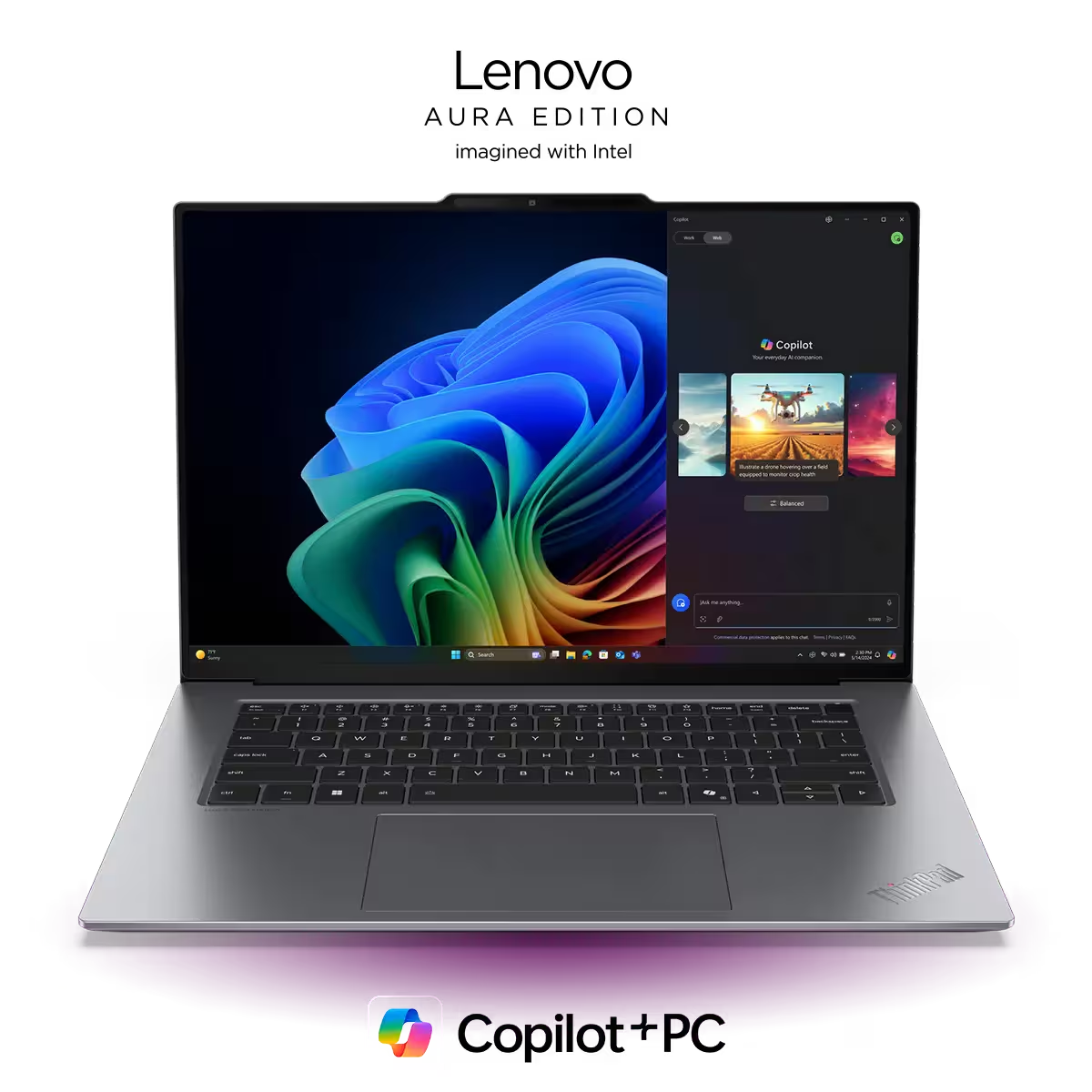
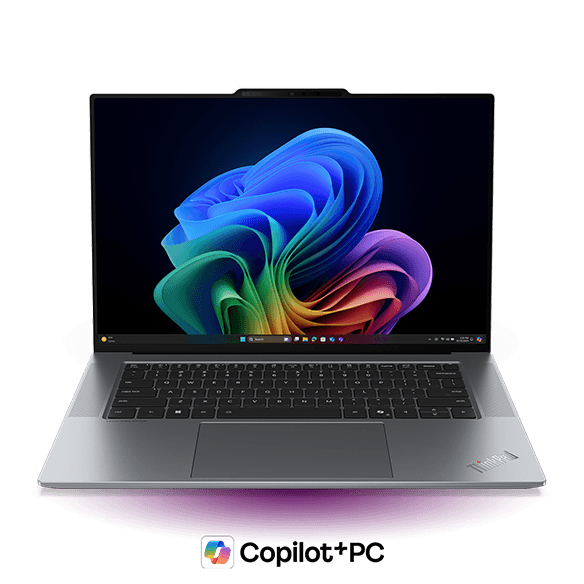
#3 Lenovo ThinkPad X9 15: Best Windows Laptop for Most Students

Best Windows Laptop for Most Students, Our Favorite One To Recommend for Most Students That Want a Windows Laptop.
Best for: Students who want a large screen, long battery life, broad software compatibility, and a premium Windows experience.
Why we like it: The ThinkPad X9 15 fits a roomy 15.3-inch OLED display into a chassis that remains compact for its size. It is well built, portable, and suitable for everyday productivity.
The standard model is enough for typical student workloads. The X9 15p adds stronger cooling, more ports, and more powerful Intel processors for light gaming and basic creative work.
Drawbacks: The keyboard feels shallower than Lenovo’s best Yoga and Legion keyboards, while the standard X9 15 has limited performance for demanding workloads. Students focused on gaming, serious video editing, or 3D rendering should choose a laptop with dedicated graphics.
▶️Watch our full ThinkPad X9 review
📊See full test results, pricing history, and current deals
Pros
- Fantastic 4k Webcam
- Great screen options
- Effective anti-reflective coating on the display
- Accurate haptic trackpad
- Great speakers
- Good port placement
Cons
- Missing the red Trackpoint and trackpad buttons
- Pricey
- Port selection is limited
- Its performance is at the lower end for similar laptops
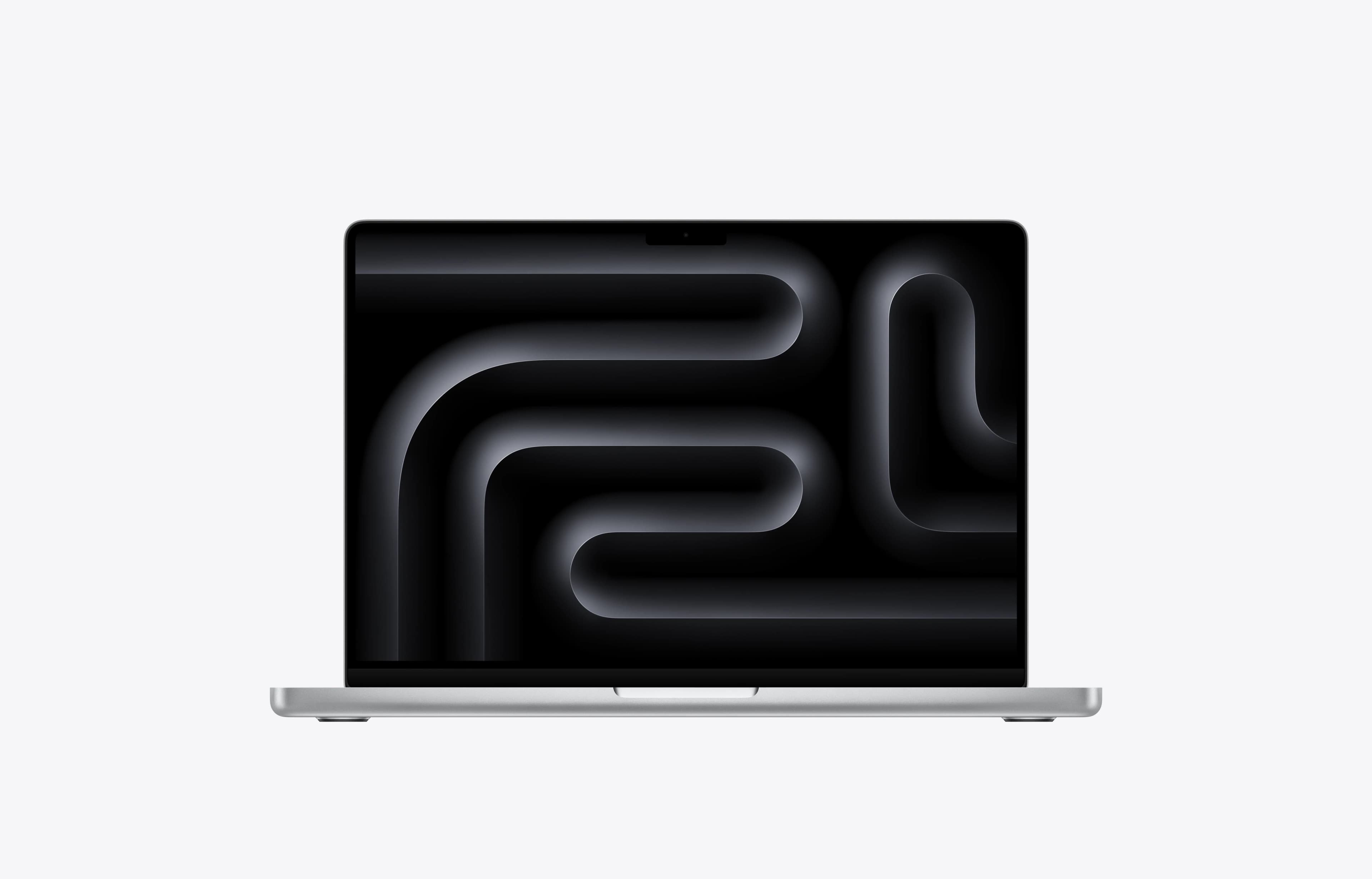
#2 MacBook Pro 14: Best Laptop for Most Students

If you are on the lookout for a powerful non-Windows laptop, then we recommend to take a look at the MacBook Pro 14 with the M5-series.
Best for: Students who want a premium laptop with enough performance for programming, music production, video editing, and other demanding coursework.
Why we like it: The MacBook Pro 14 combines strong performance, long battery life, excellent build quality, and one of the best laptop displays. The base M5 model is enough for most courses, while the M5 Pro is the better choice for software development and creative work.
Its high-resolution 14.2-inch panel also displays an impressive amount of code, spreadsheet data, or document content for its size.
Drawbacks: It is expensive, and gaming support remains limited compared with Windows alternatives. Students who require Windows-only course applications should confirm compatibility before buying.
▶️Watch our full review of the Macbook Pro 14
📊See full test results, pricing history, and current deals
Pros
- Excellent performance
- Very long battery life
- All round premium laptop
- Exceptionally quiet and mostly feels cool to the touch
- Very premium - Great speakers, webcam, trackpad, keyboard, dsiplay
- Extremely fast storage
Cons
- An incremental update that doesn't change much from the M4 version or give a big performance boost in CPU or GPU tasks
- No Wi-Fi 7
- Not good for gaming
- No Thunderbolt 5
- The price has gotten much more expensive as of June 25, 2026.
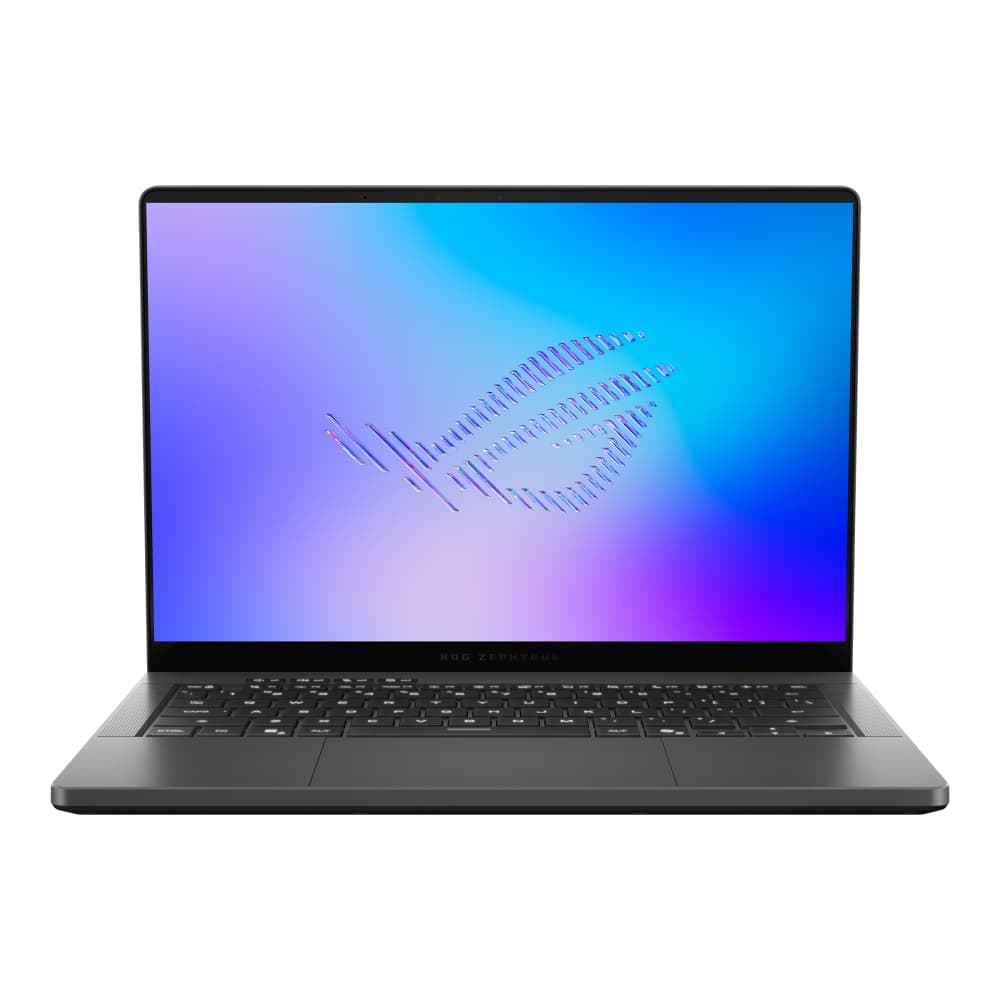
#1 ASUS ROG Zephyrus G14: Best Student Laptop Overall

Our Best Pick for Best Student Laptop Overall, and also very expensive.
Best for: Engineering, computer science, AI, creative, and gaming students who want one compact laptop capable of almost everything.
Why we like it: The Zephyrus G14 combines a powerful Intel processor with Nvidia graphics in a premium and portable 14-inch chassis. We recommend the RTX 5070 Ti configuration for demanding applications, local AI workloads, content creation, and modern AAA games.
The 2026 model is significantly improved over last year’s version, with lower surface temperatures, longer battery life, a brighter display, and a full-sized SD card reader.
Drawbacks: It is expensive and offers far more performance than most students need. Buyers with basic workloads can save substantially by choosing a MacBook Air, ThinkPad X9 15, Yoga, or OmniBook instead.
▶️Watch our full Zephyrus G14 review
📊See full test results, pricing history, and current deals
Pros
- Much cooler than previous G14 models under load
- Strong battery life for a gaming laptop
- Good gaming performance in a 14-inch laptop
- UHS-II SD card slot is great for content creators
Cons
- Extremely expensive.
- No haptic trackpad, which feels like a miss at this price
- Vapor chamber cooling is restricted to high-end configurations.
The best student laptop is the least expensive model that comfortably supports your course, required software, and hobbies. Consider last year’s version when the hardware has changed little, and avoid taking on unnecessary debt for performance you will not use.