Framework 13 Pro Announced: A More Premium, More Practical Modular Laptop
Framework is doubling down on its mission of repairable, upgradeable laptops but this time, with a stronger push toward mainstream appeal.
Here’s what actually matters from the announcement.
A More Refined Design Without Losing Compatibility
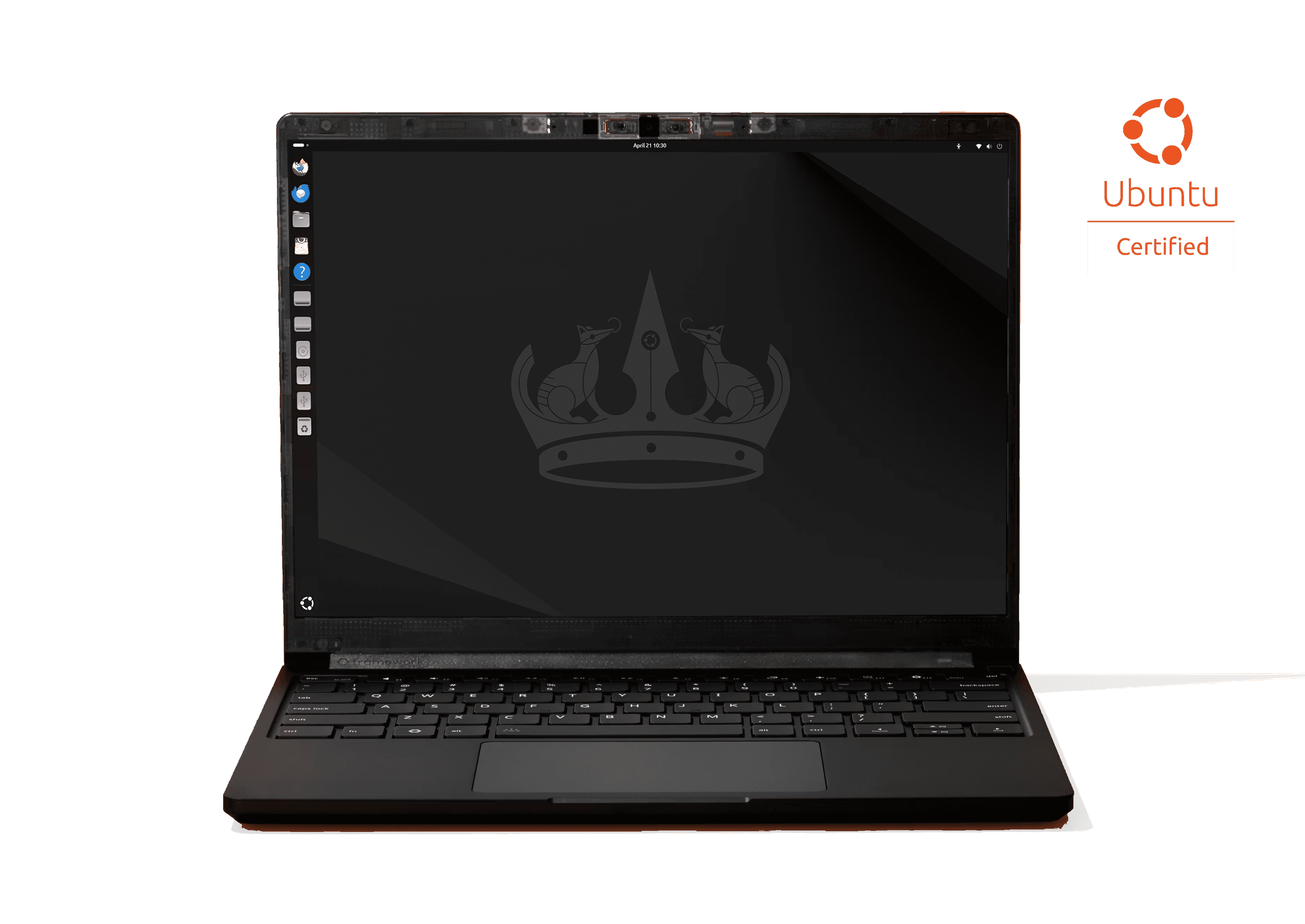
The Framework 13 Pro introduces a new CNC aluminum chassis, now available in a black (graphite) finish alongside the traditional silver. The darker color gives the laptop a more modern look, though it does tend to show fingerprints more easily.
More importantly, Framework has preserved its core philosophy:
- Existing displays, mainboards, and components still work across generations
That means current Framework users can upgrade selectively without replacing the entire device. This is still a major differentiator in the laptop market.
While the build quality is improved, it doesn’t quite reach the level of the most premium ultrabooks. Still, it now feels much closer to other high-end metal laptops rather than a niche enthusiast product.
One of the most meaningful improvements is the new 2.8K touchscreen display:
- 13.5-inch panel with a 3:2 aspect ratio
- Higher resolution for sharper text
- Matte finish (rare for touchscreens)
This is a practical upgrade, especially for productivity users.
Framework has also introduced a haptic touchpad option, replacing the traditional mechanical click. Early impressions suggest:
- Smooth tracking
- Responsive click (though sensitivity may need tuning)
This brings the input experience closer to what users expect from premium laptops.
New Intel CPUs and Much Better Efficiency
Under the hood, the Framework 13 Pro gets a major refresh with new Intel processors. The lineup includes:
- High-end 16-core “X” chips
- Performance comparable to Apple’s M5
- Strong integrated graphics, suitable for light creative work
- Lower-power 8-core option
- Prioritizes efficiency and battery life
Battery life is expected to improve significantly thanks to:
- A larger 74Wh battery (up from 61Wh)
- More efficient architecture
Framework claims up to 20 hours, though real-world usage will likely be lower depending on workload and brightness.
LPCAMM Memory: A Big Step for Upgradeability
One of the most forward-looking upgrades is the inclusion of LPCAMM memory modules.
This new standard offers:
- Speeds comparable to soldered RAM
- Full replaceability and upgradeability
In a market where most thin-and-light laptops lock users into fixed memory, this is a major win. Very aligned with Framework’s philosophy.
Where It Still Falls Short
Despite the improvements, a few compromises remain.
Cooling System
The laptop still uses a single-fan cooling solution. While newer chips are more efficient, higher-end configurations may benefit from more robust cooling:
- Potential for higher fan noise under load
- Thermal limits could affect sustained performance
Display Technology
While the new screen is sharper and brighter, it remains an IPS panel, not OLED. At this price point, some competitors offer more vibrant display options.
Framework 16 and Ecosystem Updates
Framework didn’t stop at the 13 Pro. The broader ecosystem saw several notable updates.
Cleaner Framework 16 Design
The modular Framework 16 gets:
- A redesigned single-piece haptic touchpad module
- Improved keyboard deck options
These changes address complaints about the original design feeling loose or patchwork.
External GPU via Oculink
A new Oculink dev kit allows direct GPU connectivity using PCIe lanes:
- Better bandwidth than USB-C or Thunderbolt eGPUs
- Supports both Framework GPU modules and desktop GPUs
This opens the door to serious performance scaling for power users.
Wireless Touchpad Keyboard
Framework also introduced a wireless keyboard with an integrated touchpad, aimed at:
- Home server setups
- Living room PCs
While not groundbreaking, it expands the brand’s ecosystem.
The Bigger Picture: Framework Is Becoming More Mainstream
Previous Framework laptops were often hard to recommend outside of enthusiasts:
- High pricing
- Niche appeal of modularity
- Less polished design
The Framework 13 Pro starts to change that.
Key shifts:
- More premium build and aesthetics
- More competitive pricing
- Stronger performance and battery life
- Continued focus on repairability and Linux support
At around $2,000 for higher-end configurations, it now competes directly with other premium laptops while offering something they don’t: true longevity through upgrades.
Final Thoughts
The Framework 13 Pro isn’t a radical reinvention it’s a refinement. But it’s an important one.
It keeps everything that made Framework unique while addressing the biggest barriers to wider adoption. The result is a laptop that’s no longer just for enthusiasts it’s becoming a legitimate option for everyday users who want a premium device that won’t become obsolete in a few years.
If Framework continues on this path, modular laptops might finally move from niche to normal.