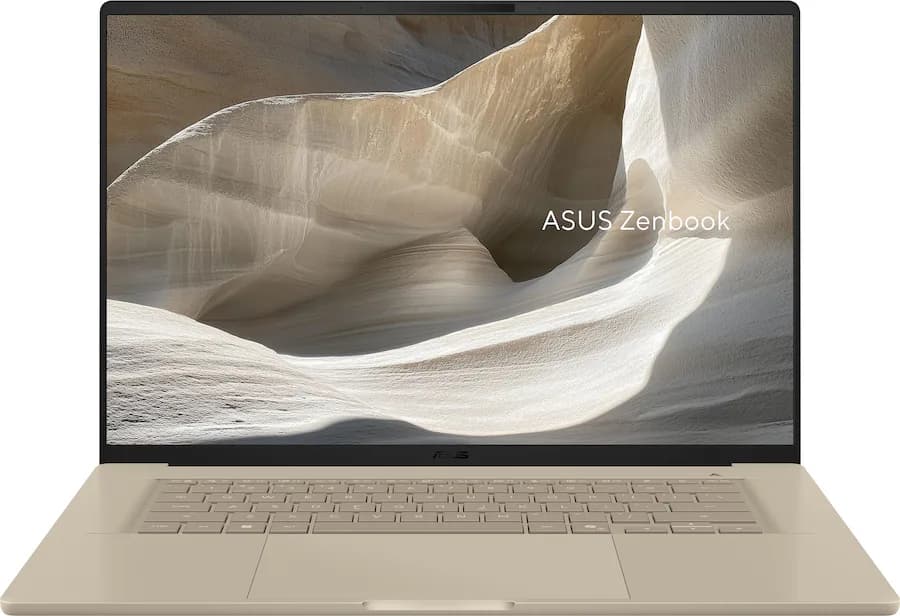
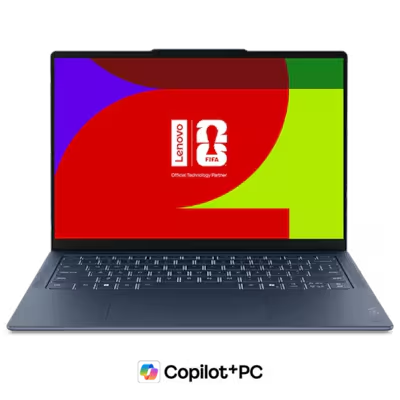
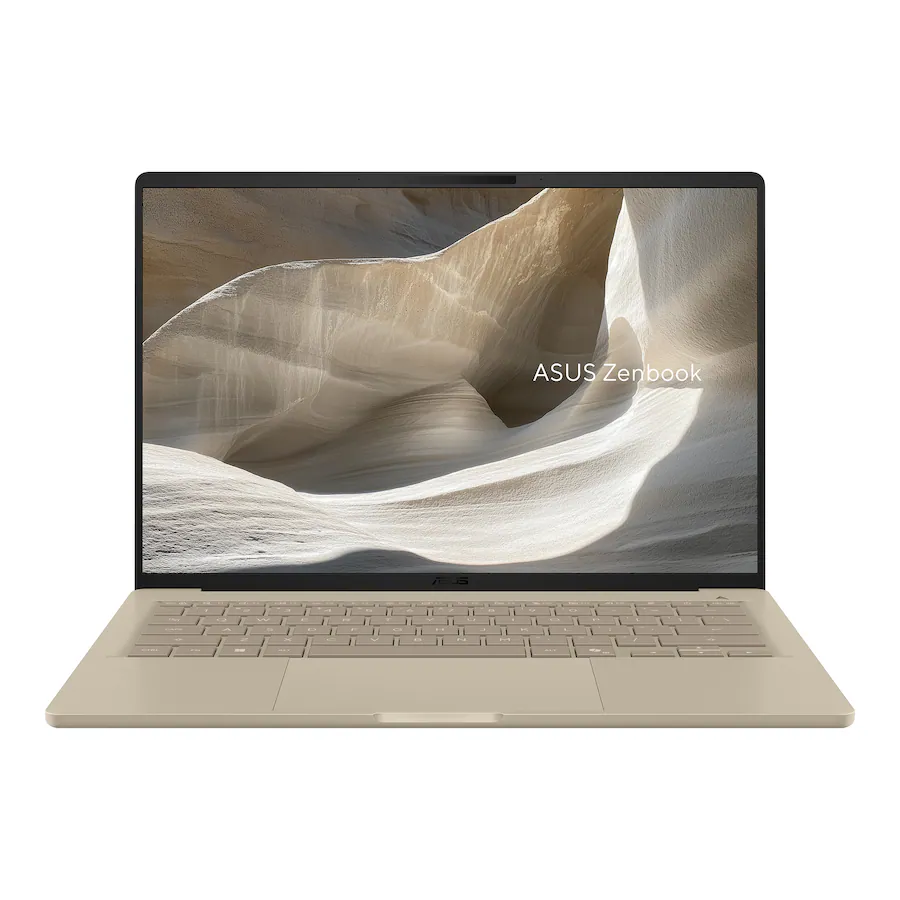
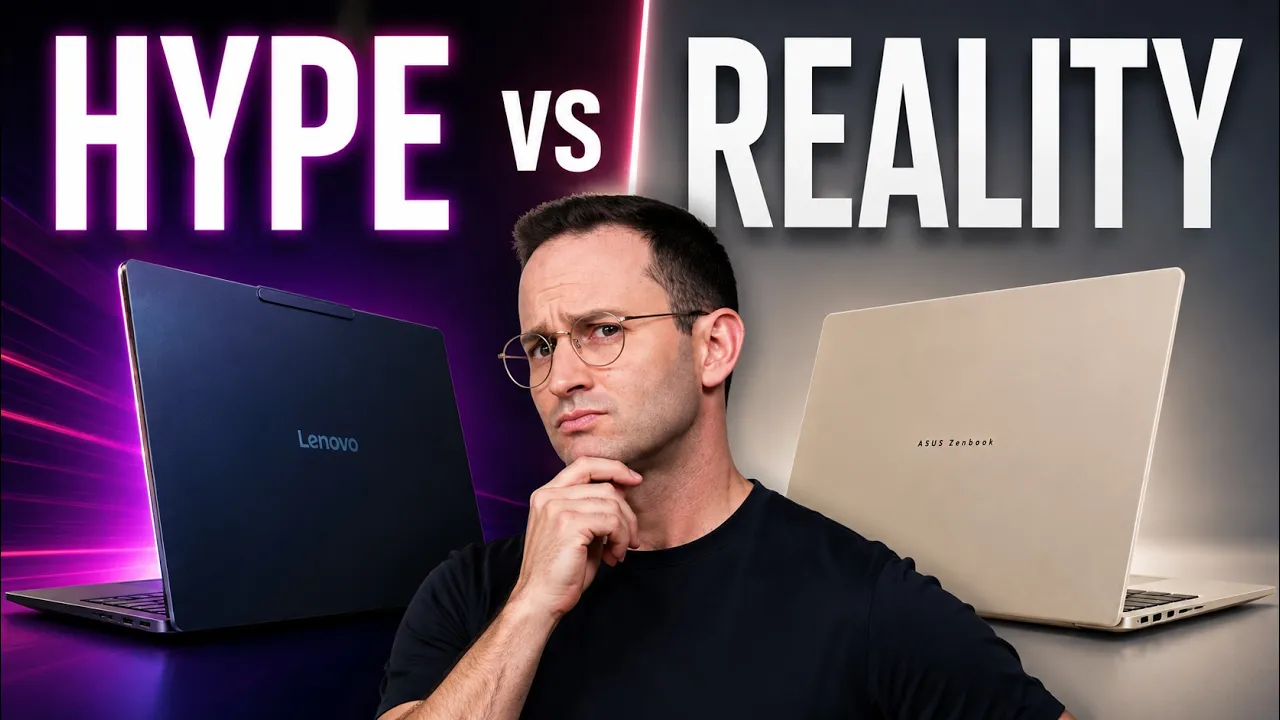
We tested the ASUS Zenbook A16 and Lenovo Slim 7x with Qualcomm’s second-generation Windows-on-ARM laptops. CPU performance is much stronger, efficiency is genuinely competitive, and battery life is very good. For light users, office workers, and some programmers, these laptops can be excellent.
But they are not the universal Windows laptop replacement some reviews make them out to be.
The biggest issues are still app compatibility, weak integrated graphics, limited gaming performance, and occasional peripheral problems. If you mostly live in a browser, use Microsoft Office, and want long battery life, these make sense. If you game, edit video seriously, use music production software, run engineering apps, or rely on Linux, you should be careful.
What Qualcomm Is Trying to Do
Qualcomm’s goal is pretty clear: do for Windows laptops what Apple did with the MacBook.
Instead of using traditional Intel or AMD x86 processors, these laptops run on ARM-based Snapdragon chips. In theory, that means more performance for less power, lower heat, quieter fans, and longer battery life.
The first Snapdragon X laptops launched in 2024 with a ton of hype. Unfortunately, they did not fully live up to it. CPU performance was fine but not amazing, GPU performance was poor, and app compatibility was inconsistent. Some apps ran natively, some worked through Microsoft’s Prism translation layer, and some simply did not work.
That did not make those laptops bad. It just meant they were only good for a specific type of person: someone doing web browsing, office work, video calls, and other basic tasks.
Now Qualcomm is back with its second generation. We tested two new laptops: the ASUS Zenbook A16 with the high-end Snapdragon X2 Elite Extreme chip, and Lenovo’s new Slim 7x with the 18-core Snapdragon X2 Elite.
The progress is real. The caveats are too.

Max CPU Performance - Cinebench 2026 Single Run
CPU performance is easily the most impressive part of these new laptops.
Compared to the original Snapdragon X Elite in the 2024 Slim 7x, the new Slim 7x is 61% faster in Geekbench single-core and 48% faster in multi-core. The Zenbook A16, with its higher-end Elite Extreme chip, is also 61% faster in single-core and even stronger in multi-core.
Cinebench shows the same trend. Single-core performance is up by around 36% to 39%, while multi-core performance improves by 53% to 87%.
Against Intel and AMD laptops at similar prices, Qualcomm’s CPU performance is very strong.
That matters because single-core performance was one of the biggest weaknesses of the first generation. It affected how responsive those laptops felt in everyday use. These new models feel much snappier.
There is one important warning, though. These results are from high-end 18-core Snapdragon X2 chips. Many laptops will ship with lower-end 12-core versions, and those will not perform like the numbers shown here.
Efficiency, Heat, and Fan Noise
Qualcomm also made major efficiency gains.
The new chips appear to spread work across more cores, helping them deliver strong performance without needing as much power as many Intel and AMD competitors. In our testing, the 18-core Snapdragon X2 chips are now close to Apple’s M-series efficiency. They beat Apple’s base M5 and land near the M5 Pro 15-core, although Apple’s 18-core chip is still ahead.

Cinebench 2026 Performance by Power Draw
Compared to Intel Panther Lake and AMD Gorgon Point, Qualcomm is well ahead in CPU efficiency.
The Slim 7x is the better-balanced laptop of the two. It peaks around 55 watts and sustains around 25 watts. The Zenbook A16 pushes much harder, peaking around 70 watts and sustaining closer to 50 watts. That gives the Zenbook more performance, but also more heat and fan noise.
In its maximum performance mode, the Zenbook A16 gets very warm and loud. The Slim 7x is much better behaved. It still gets warm, and it is louder than last year’s model, but it stays under 50 decibels.
For normal use, both laptops are much quieter. During everyday office work, browsing, and light productivity, fan noise was rarely noticeable.
The integrated GPU is still a weak point.
Qualcomm’s new Adreno X2-90 GPU is better than before, especially in the Elite Extreme chip, but it is not close to being a great graphics solution. In Steel Nomad Light, it trails Apple’s base M5 and falls far behind M5 Pro. It also sits behind Intel’s B390 graphics, especially if you do not have the Elite Extreme version.
The bigger problem is that Qualcomm laptops cannot be paired with Nvidia dedicated graphics. At this price point, many Intel and AMD laptops are available with Nvidia GPUs, which makes them far better for gaming, video editing, 3D work, and other graphics-heavy tasks.
So while the CPU is excellent, the GPU limits what these laptops can realistically do.
App Compatibility
Compatibility is still the main reason to be cautious. Things are much better than the first Snapdragon X laptops, but this still is not the same as buying an Intel or AMD Windows laptop.
Here’s what worked and what did not in our testing:
- Basic productivity: Chrome, Slack, Microsoft Office, and common collaboration tools worked well. Most ran natively.
- Programming: VS Code, Git, and IntelliJ ran natively. Android Studio worked through emulation, but the Android Emulator did not. Linux also was not ready in our testing.
- Photo editing: Photoshop, Affinity, and Lightroom ran natively and performed well. Lightroom Classic worked through Prism.
- Video editing: Premiere Pro, DaVinci Resolve, and Handbrake ran natively, but the integrated GPU is not strong enough for serious editing.
- 3D and motion work: Blender ran natively, but rendering used the CPU instead of the GPU and was extremely slow. After Effects worked for simple projects.
- Engineering: AutoCAD worked through Prism, but SolidWorks would not install.
- Audio production: Pro Tools did not run. Ableton Live, FL Studio, and Rekordbox ran through emulation, but Rekordbox could not detect a Pioneer DJ controller.
- Peripherals: Some accessories were inconsistent. Our 2.5G Ethernet adapter did not work properly, while a 1G adapter did.
- Gaming: Better than before, but still poor. Fortnite and Counter-Strike ran, but Cyberpunk struggled, Marvel Rivals had glitches, and League of Legends would not install Vanguard.
Overall, these laptops are fine for everyday apps and some creative or coding workflows. But if you rely on specialist software, gaming, audio gear, Linux, or specific peripherals, you may still run into random issues.
Battery Life

Batter Rundown Test - Office Tasks
Battery life is one of the strongest reasons to consider these laptops.
Both models could run at full performance while unplugged. In our tougher battery test, which loops office tasks at 300 nits brightness, the Slim 7x lasted around 10.5 hours. The Zenbook A16 lasted almost 9 hours, which is still good considering its larger screen.
That said, Apple’s MacBook Pro 16 still leads among high-performance laptops, and there are now Intel laptops with excellent battery life too. Qualcomm is very competitive here, but it is not the only good option anymore.
Conclusion
Qualcomm has made real progress. These Snapdragon X2 laptops are faster, more efficient, and much more useful than the first generation.
For casual users, they can be excellent: strong CPU performance, long battery life, quiet everyday use, and a premium experience. The main issue is value, since a MacBook Air may offer those same buyers a simpler experience for less money.
For programmers, these are more interesting. If your workflow is mostly browser tools, VS Code, Git, and native Windows apps, the performance and battery life are compelling. Just be aware of the trade-offs: Linux is not ready, Android emulation did not work, gaming is poor, and some apps or peripherals may still fail.
Overall, these are genuinely good laptops for the right person. But gamers, serious video editors, audio engineers, 3D artists, and anyone relying on specialist Windows software should still look at Intel, AMD, Apple, or a laptop with Nvidia graphics instead.
Pros
- Stronger CPU performance than most competitors
- Lightweight for a 16-inch laptop, thereby making it easier to carry than comparable laptops of this size.
- Beautiful and sharp OLED that is both a touch screen and has a 120Hz refresh rate.
- Supports pen input.
- 48GB of RAM at the current MSRP is a major spec advantage.
- Good overall build quality with minimal flex.
Cons
- Runs Windows 11 on ARM; some apps and most Linux distros may have compatibility issues.
- Hard to recommend for basic users over the MacBook Air 15, which is a better all-round experience for a lower price.
- Glossy display may show a lot of reflections when outdoors or under harsh lighting.
- No charging support on the right side.
- Beige color and styling will not appeal to everyone.
Pros
- Excellent battery life
- Extremely lightweight and portable
- Fantastic keyboard with deep key travel
- Beautiful high-resolution OLED display
- Premium soft-touch chassis feels luxurious
- Very quiet during light workloads
- Strong performance on higher-end X chip models
- Excellent value compared to competing premium Ultrabooks
Cons
- No USB-A or HDMI ports
- No 3.5 mm headphone/audio jack
- Glossy display can cause reflections outdoors
- White keyboard backlight can be difficult to see on lighter models
- Limited upgradeability and difficult internal access
Pros
- Excellent CPU performance for its price, outperforming modern Intel and AMD options and even Apple’s base M5 chip in some workloads.
- Very good battery life.
- Extremely portable and lightweight to carry around.
- Good overall build quality with minimal flex.
- Comfortable keyboard with more travel and feedback than Apple’s MacBook keyboards.
Cons
- Runs Windows 11 on ARM; some apps and most Linux distros may have compatibility issues.
- Hard to recommend for basic users over the MacBook Air 13, which is a better all-round experience for a lower price.
- Glossy display may show a lot of reflections when outdoors or under harsh lighting.
- Beige color and styling will not appeal to everyone.
- Display is a clear step down from the A16: 1920 x 1200, 60Hz, around 400 nits, and no touchscreen.