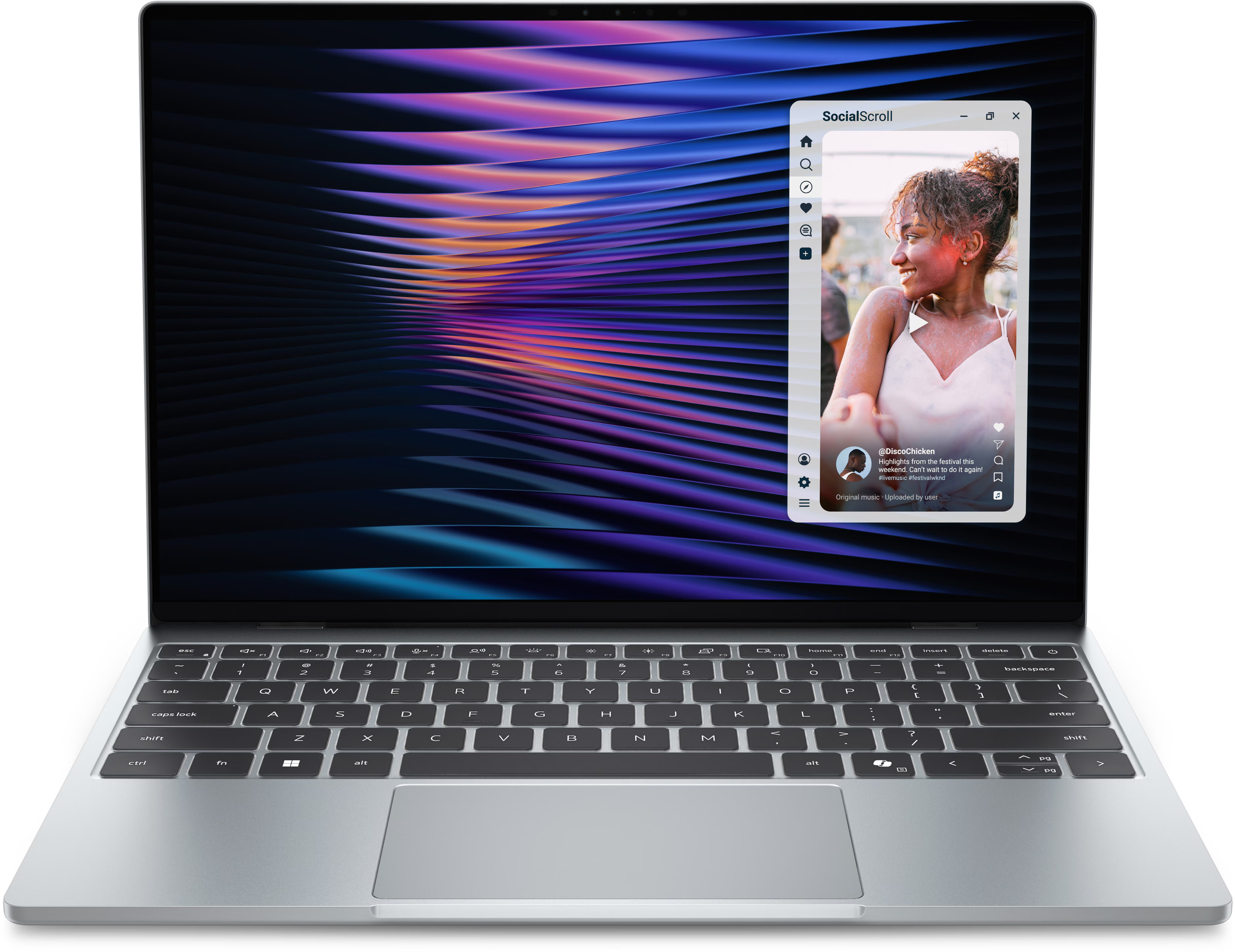
Dell XPS 13 Googlebook - Snapdragon X Elite
Extremely light (2.2 pounds), small, and compact in all directions.
Battery life is very good.
Low travel keyboard (0.8 mm)
Ports are very lacking for connecting external devices; only 2 USB C (5 Gbps) ports, and no Thunderbolt 4 or USB4.
Bad speakers and no 3.5 headphone jack.
Despite being branded as a "premium XPS" laptop and as a "Googlebook", it lacks an OLED screen option and is the only of the five initial Googlebook models to not have an OLED screen at all.
The Qualcomm X Elite CPU is ARM based, so it has less compatibility with legacy applications.
The Adreno iGPU is very weak for an iGPU and is only suitable for light/casual use.
Getting more SSD space requires either doing it yourself post-purchase or upgrading to 32 GB of RAM at the time of purchase.
Only supports shorter M.2 2230 SSDs, making storage upgrades and replacements more expensive and limited to 2 TB.
Despite all of these cons, it is not the cheapest Googlebook option; the similarly priced XPS 13 with Intel Wildcat Lake is a better value.
Best Prices & Deals
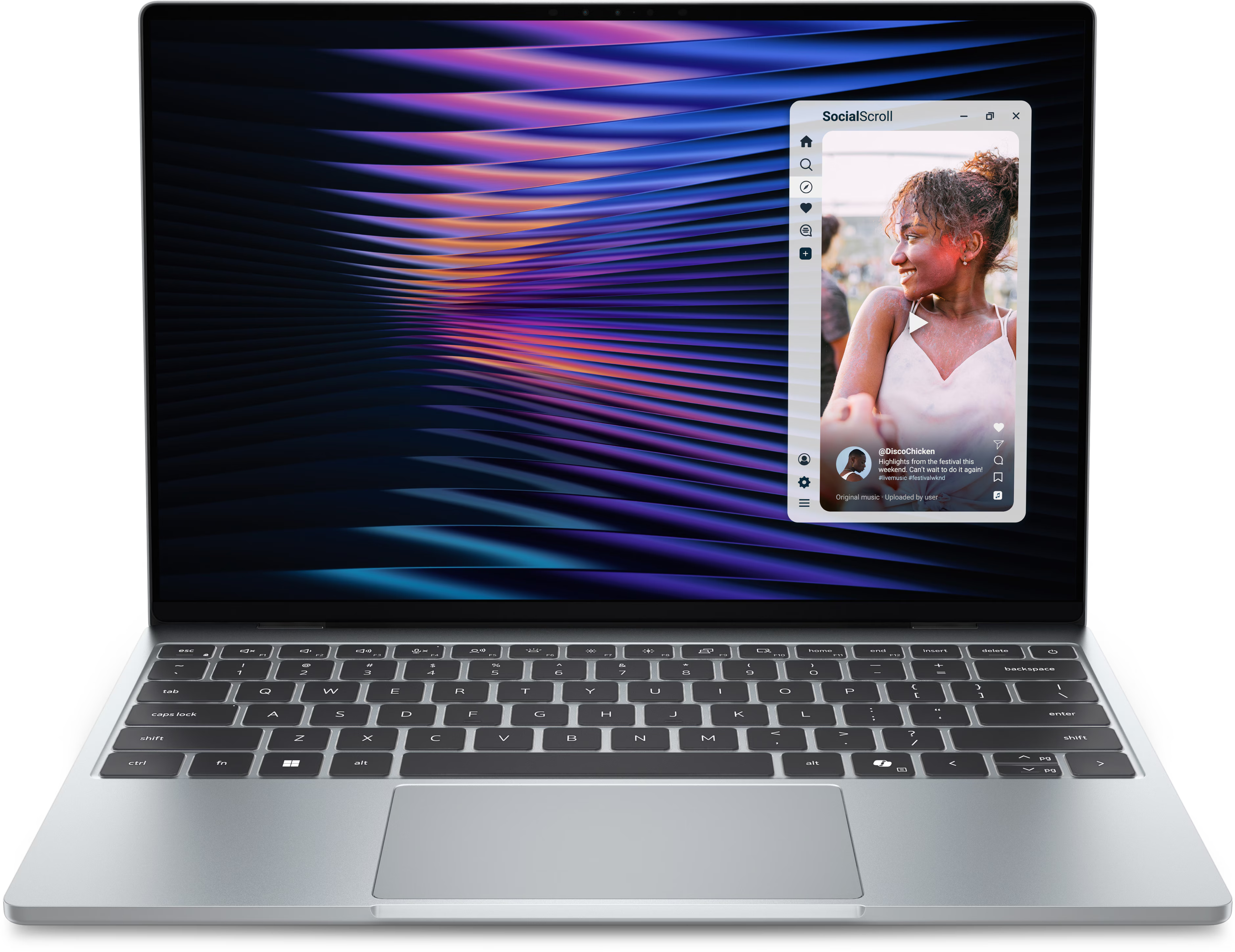
XPS 13 Googlebook - Snapdragon X Elite - Snapdragon X Elite - 2026
XPS 13 Googlebook - Snapdragon X Elite - Snapdragon X Elite - 2026
512 GB, 16 GB, Snapdragon X Elite, Adreno X1-85
XPS 13 Googlebook - Snapdragon X Elite - Snapdragon X Elite - 2026
1 TB, 32 GB, Snapdragon X Elite, Adreno X1-85
As an associate for Amazon, Lenovo, Best Buy, B&H, Dell, and HP, we earn commission from qualifying purchases through these links.
Get personalized laptop deals direct to your inbox
We test over 100s of laptops so you don't have to

Join 50,000+ Smart Subscribers